
Digital Detox and Deep Nature Immersion: The Retreat Your Brain Is Begging For
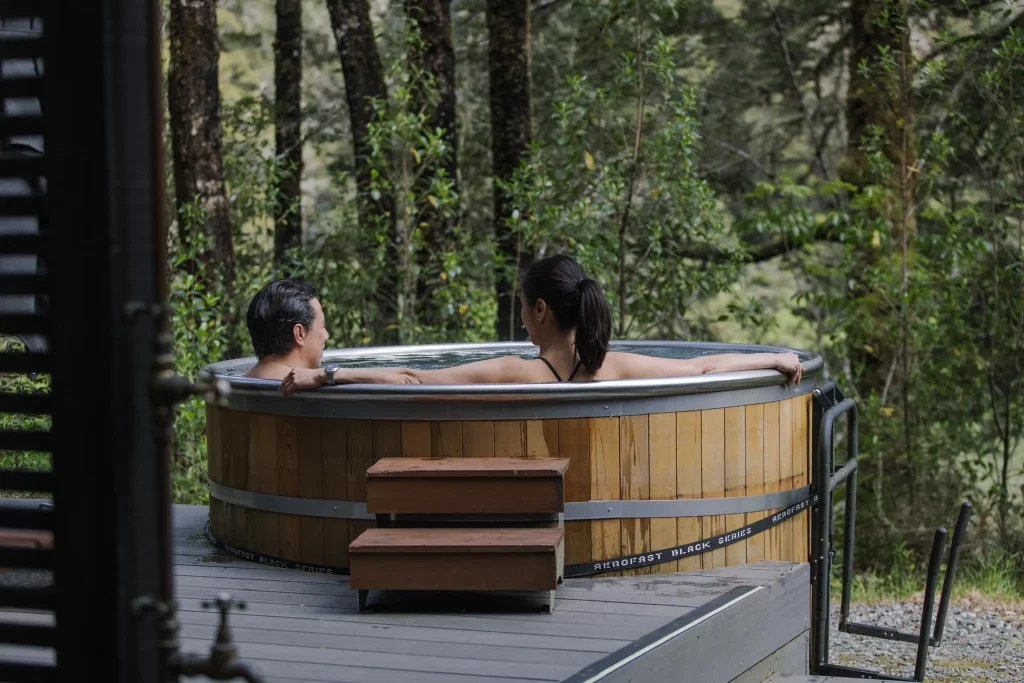
You know the feeling. That phantom buzz in your pocket. The compulsive scroll through a river of other people’s lives. The low-grade anxiety that hums in the background of your day, a soundtrack of notifications and never-quite-caught-up. Our brains, frankly, weren’t built for this. And that’s exactly why the idea of a digital detox retreat—especially one rooted in deep nature immersion—has shifted from a luxury to a near-necessity for so many.
It’s more than just turning your phone off for a weekend. It’s a deliberate, structured unplugging, a conscious swap of the digital feed for the sensory feast of the natural world. Let’s dive into why this combination is so potent, and what you can really expect from a nature immersion retreat designed for true reset.
Why a Detox Alone Isn’t Enough (The “So What?” Factor)
Sure, you can leave your phone in a drawer at home. But then what? You’re often left sitting with the very restlessness the device was distracting you from. That’s the genius of pairing a digital detox with an immersive natural environment. Nature doesn’t just create an absence of tech; it provides a profound presence of something else. It fills the void with what psychologist Rachel Kaplan called “soft fascination”—the gentle, effortless attention demanded by rustling leaves, flowing water, or a winding path.
Your overstimulated prefrontal cortex—the CEO of your brain, fried from decision-making and information filtering—finally gets to clock out. In its place, a more ancient, restorative mode of awareness flickers on. This isn’t just poetic thinking; it’s backed by a growing pile of science pointing to reduced cortisol, improved creative problem-solving, and a dampening of that fight-or-flight chatter after time in green (or blue) spaces.
The Anatomy of a Deep Nature Immersion Retreat
So, what does this actually look like? A well-designed retreat is a scaffold for experience, not just a strict boot camp. The goal is facilitation, not force.
The Digital Hand-Off
Most retreats begin with a conscious surrender. Devices are collected, or sealed in a locked bag, often with a warm, ritualistic acknowledgment. It feels less like a punishment and more like, “Okay, we’re holding this for you. Your job now is different.” The initial anxiety is real, but it usually melts away faster than you’d think, replaced by a surprising, almost physical sense of lightness.
The Sensory Re-education Program
This is the core. Activities are designed to reconnect you to your senses, slowly and deliberately:
- “Forest Bathing” (Shinrin-yoku): This isn’t a hike. It’s a slow, mindful wander. You’re guided to touch bark, listen to layered birdcalls, smell damp earth. The objective is simply to be in relationship with the forest, not to conquer a trail.
- Silent Morning Walks: Experiencing dawn without the filter of conversation or music. Just the world waking up, and you in it.
- Wilderness Skills: Something about building a fire with bow drill or identifying edible plants roots you in a tangible, primal competence. It’s the opposite of abstract digital work.
- Unstructured Time: Crucially, there’s space. Time to just sit by a river and stare. To nap in a hammock. To journal, or not to journal. This boredom is fertile ground.
The Tangible Benefits: What You Take Home
The magic, honestly, is what lingers. It’s not about staying offline forever—that’s not realistic. It’s about recalibrating your relationship with technology from a place of strength, not addiction. Participants often report:
| Mental Shift | Physical Shift | Behavioral Shift |
| Clarity of thought & reduced “brain fog” | Deeper, more restorative sleep patterns | Setting intentional tech boundaries (e.g., no-phone zones) |
| Increased creative insight | Lower perceived stress levels | Replacing mindless scroll with micro-nature breaks |
| A stronger sense of patience & present-moment awareness | Heightened sensory acuity (taste, smell, hearing) | Seeking out green spaces proactively in daily life |
Choosing Your Escape: A Few Considerations
Not all retreats are created equal. When looking for a digital detox and nature immersion experience, think about your own edges. Do you need complete silence, or a supportive group dynamic? Are you drawn to mountains, desert, or coastline? Here’s a quick, you know, checklist:
- Philosophy: Is it wellness-focused, adventure-based, or spiritually oriented?
- Level of Disconnection: Is there a communal phone for emergencies, or is it a total blackout?
- Guidance: Are there skilled facilitators guiding the nature immersion, or are you largely self-directed?
- Comfort Level: Rustic camping or eco-cabins? The level of physical comfort can impact your ability to truly let go.
And listen—it’s normal to feel resistance. The thought of being unreachable can trigger real fear. But that’s often the very signal that the retreat is needed. The world, your work, your family; it will all be there when you return. The question is, who will be the person returning to it?
The Lasting Echo
The ultimate goal of a deep nature immersion retreat isn’t to make you a hermit. It’s to create a contrast so stark that it rewires your default settings. The ping of a notification becomes a choice, not a command. The blue light of a screen feels harsh compared to the golden hour glow on a meadow.
You bring back a quietness. A memory in your muscles of what real stillness feels like. In a world that shouts for our attention 24/7, these retreats offer a rare space to remember how to listen—to the wind, to your own breath, to the subtle, profound wisdom that only emerges when the digital static finally fades away. That’s the real download.

