
Hotel Food Waste Reduction Strategies and Sustainable Dining: A Practical Guide
Let’s be honest—the scent of fresh bread in a hotel breakfast buffet is intoxicating. But so often, that beautiful, untouched loaf ends up in the trash by noon. It’s a silent problem happening in kitchens and banquet halls worldwide. For hotels, food waste isn’t just an ethical dilemma; it’s a massive financial drain and an environmental burden. The good news? Tackling it can actually become a powerful part of your brand story.
Here’s the deal: sustainable dining in hotels isn’t about offering a single vegan menu item and calling it a day. It’s a holistic shift. It’s about rethinking everything from the supply chain to the guest’s plate. And honestly, it can be surprisingly creative. Let’s dive into some real, actionable strategies that go beyond the basics.
Getting Smart: The Foundation of Waste Reduction
You can’t manage what you don’t measure. That old business adage? It’s the golden rule for hotel food waste management. The first step is always, always a waste audit. It sounds clinical, but it’s eye-opening.
Conduct a “Trash Dive” (The Insightful Kind)
For a week, separate and weigh your food waste. Categorize it: prep trim, spoilage, plate waste, buffet leftovers. You’ll quickly spot patterns. Maybe it’s an overproduction of pastries at breakfast. Or perhaps those gorgeous but massive lunch portions are coming back half-eaten. This data is your roadmap.
Tech to the Rescue
Smart inventory systems are a game-changer. They track stock in real-time, predict demand based on occupancy and past events, and even automate ordering. Imagine getting an alert that your zucchini is nearing its prime—time to feature it in the daily special. This is precision at its best, minimizing spoilage before it even starts.
Rethinking the Kitchen & Menu
This is where the magic happens. A sustainable dining program starts with how you design your offerings.
Embrace the “Root-to-Stem” & “Nose-to-Tail” Philosophy
It’s about respecting the whole ingredient. Carrot tops become a vibrant pesto for an amuse-bouche. Stale bread transforms into breadcrumbs or a savory bread pudding. Beef trimmings from the steakhouse enrich a hearty stew for staff meals. This approach isn’t just thrifty; it’s a mark of culinary skill that today’s conscious travelers admire.
Menu Engineering for Less Waste
Simplify your menu. A smaller, seasonal menu that shares ingredients across dishes is far more efficient. That local pumpkin can be a soup, a ravioli filling, and a side dish. It reduces inventory complexity and ensures everything gets used. Plus, seasonal food just… tastes better. You know?
The Guest Experience: Engagement is Key
Guests are partners in this. But they need a nudge, not a lecture.
Buffet Psychology & Portion Control
Swap massive platters for smaller, frequently replenished ones. Use smaller plates—it subtly encourages taking less, with the option to return for more. Label dishes with locally-sourced stories; people tend to waste what feels anonymous. And consider moving to made-to-order stations for items like omelets or pasta. The wait feels personalized, and waste plummets.
Offer Takeaway Options
That business traveler at a fine-dining restaurant might not finish their meal. Train staff to proactively offer eco-friendly packaging. Frame it as, “Would you like to enjoy this later?” It turns potential waste into a valued amenity.
When Waste is Inevitable: The Final Frontier
Some waste is unavoidable—peels, coffee grounds, bones. This is where the cycle closes.
| Waste Stream | Potential Second Life |
| Food Scraps & Spoilage | On-site composting or partnership with local farms for animal feed. |
| Used Cooking Oil | Biodiesel conversion programs. |
| Donatable Surplus | Partner with food rescue organizations (like food banks) for safe, untouched food. |
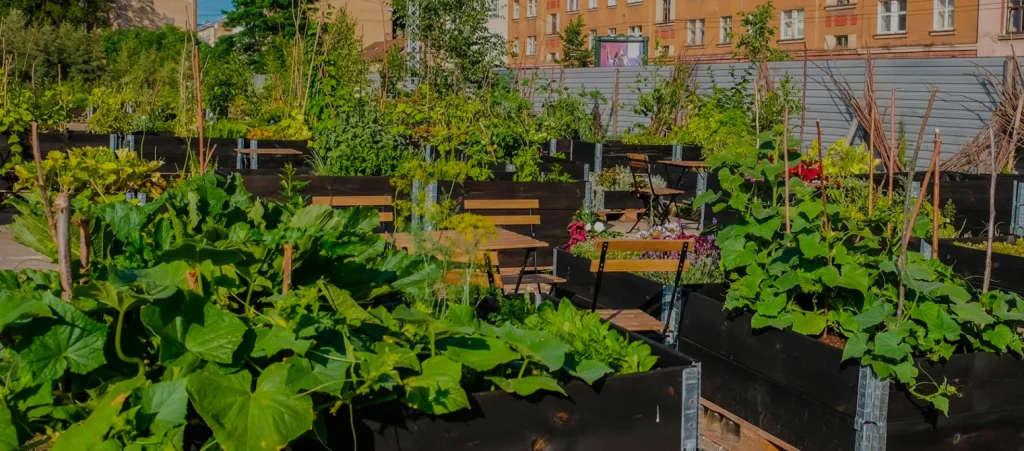
Composting, honestly, is a star player. It keeps organic matter out of landfills, where it produces methane—a potent greenhouse gas. The resulting compost can nourish hotel gardens, a beautiful symbol of the full circle.
Building a Culture, Not Just a Policy
None of this sticks without your team. Involve them from the start. Share the waste audit results. Incentivize ideas—maybe a staff contest for the best “root-to-stem” recipe. When your chefs, servers, and stewards understand the “why,” they become your most passionate advocates.
And don’t hide your efforts. Tell your story. “Our herbs are grown from our compost.” “Our soup today features surplus vegetables from last night’s prep.” This transparent communication builds genuine guest loyalty. It shows you care about more than the bottom line, even though, well, these strategies do help that too.
In the end, sustainable dining in hotels is a journey, not a checkbox. It’s about seeing the potential in a carrot top, the value in a smaller plate, and the story in a closed loop. It transforms waste from a cost center into a source of creativity, connection, and real change. And that’s a story worth serving.
